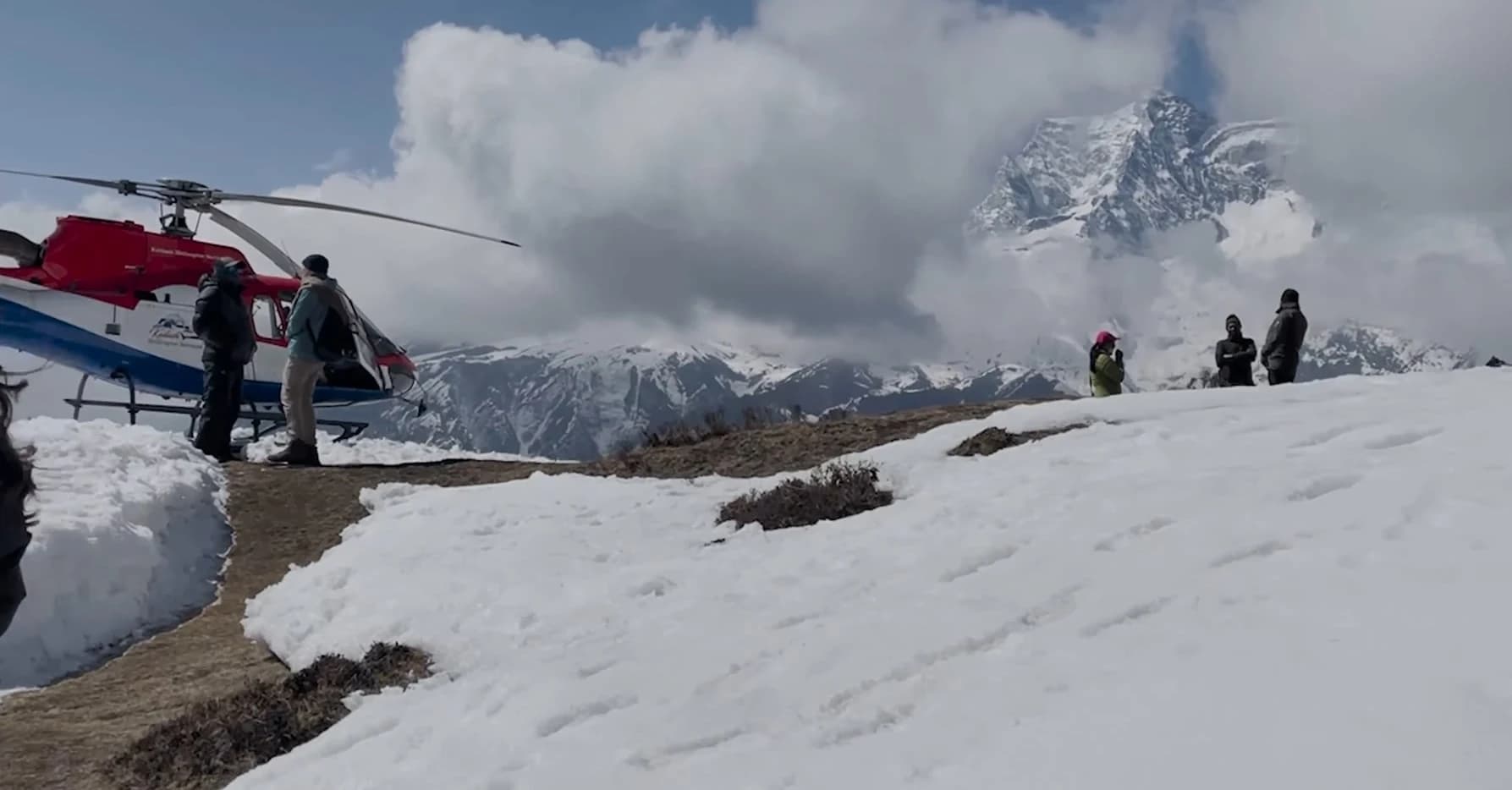
What Is an Everest Helicopter Evacuation?
Everest helicopter evacuation is the fastest way to transport trekkers and climbers from the Everest region to medical facilities in Kathmandu. When altitude sickness, injuries, or severe weather conditions make trekking impossible, rescue helicopters provide immediate evacuation from remote high-altitude locations.
The Everest region contains some of the most challenging terrain in the world. Trekking routes pass through isolated valleys where road access does not exist. In emergencies, helicopters are often the only viable option for rapid evacuation.
Rescue helicopters typically transport patients from locations such as Everest Base Camp, Gorakshep, Lobuche, Pheriche, or Namche Bazaar directly to Kathmandu.
When Is Helicopter Evacuation Needed in Everest?
Helicopter evacuations are most commonly required for medical emergencies.
Typical situations include:
Acute Mountain Sickness (AMS)
High Altitude Pulmonary Edema (HAPE)
High Altitude Cerebral Edema (HACE)
Broken bones or trekking injuries
Severe exhaustion or dehydration
Trekkers experiencing altitude sickness near Everest Base Camp often require immediate descent, and helicopter evacuation becomes the safest option.
Where Helicopters Pick Up Trekkers in the Everest Region?
Helicopters can land at several high-altitude locations along the Everest trekking route.
Common evacuation points include:
Everest Base Camp
Gorakshep
Lobuche
Pheriche
Dingboche
Namche Bazaar
Lukla Airport
Because of altitude limitations, helicopters sometimes shuttle passengers in stages between high camps and lower villages before flying to Kathmandu.
How the Rescue Process Works?
Everest helicopter evacuation typically follows a structured process.
Step 1: Emergency reported to trekking agency or rescue coordination team.
Step 2: Helicopter operator receives flight clearance and weather confirmation.
Step 3: Helicopter flies to the nearest safe landing zone.
Step 4: Patient is stabilised and transported to Kathmandu hospital.
Depending on weather conditions, evacuation flights usually take between 45 minutes and 90 minutes.
Cost of Everest Helicopter Evacuation:
The cost of helicopter evacuation varies depending on distance, altitude, and passenger load.
Typical evacuation costs range between:
USD 4,000 - USD 6,000 per helicopter flight.
However, most trekkers rely on travel insurance that covers high-altitude rescue operations.
Why Helicopter Evacuation Is Critical in the Everest Region?
The Everest region’s geography makes helicopter rescue essential. Remote mountain villages lack advanced medical facilities. In severe cases of altitude sickness, immediate descent is the only effective treatment. Helicopter evacuation ensures trekkers receive professional medical care as quickly as possible.
A helicopter flight from Gorekshep to Kathmandu is one of the fastest and most scenic ways to exit the Everest region. The Gorekshep → Kathmandu helicopter service is the primary option for trekkers finishing near Everest Base Camp. If flights operate through Lukla, the Lukla → Kathmandu helicopter service provides a dependable secondary route. For those descending further through the Khumbu valley, the Namche → Kathmandu helicopter service offers an additional support option for a smooth return.
Thought this was inspiring? Share it.
Frequently Asked
Common questions about this flight
About the Author
Admin
Passionate Himalayan explorer and aviation enthusiast with over a decade of experience sharing stories from the roof of the world. Connect with our team to start your journey.